By clicking “Accept All Cookies”, you agree to the storing of cookies on your device to enhance site navigation, analyze site usage, and assist in our marketing efforts. View our Privacy Policy for more information.
Finding Balance After the Uniform: How Ving Tsun Kung Fu Helps Veterans Heal, Rebuild, and Lead
Discover how Sifu Gerald Hazellief uses Ving Tsun (Wing Chun) Kung Fu in Vero Beach, FL to help veterans heal PTSD, build focus, and gain tactical skill.
By
August 24, 2026
Related

Finding Balance After the Uniform: How Ving Tsun Kung Fu Helps Veterans Heal, Rebuild, and Lead
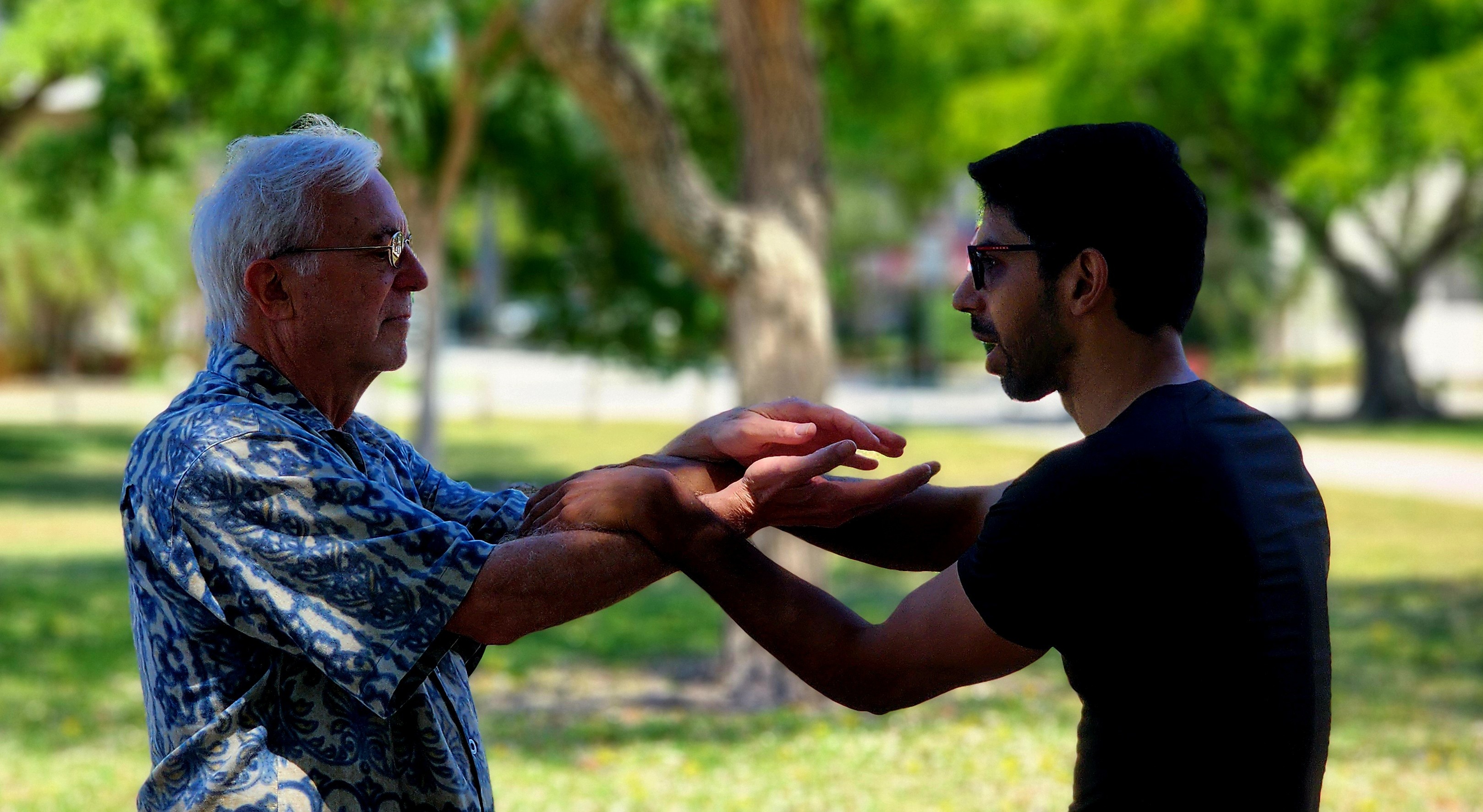
For many military veterans, leaving active service means leaving behind more than just a job. It means stepping away from a built-in brotherhood, a clear sense of purpose, and a daily structure that keeps everything grounded. Transitioning back to civilian life can often feel like navigating an entirely different world—one without a clear mission or tactical roadmap.
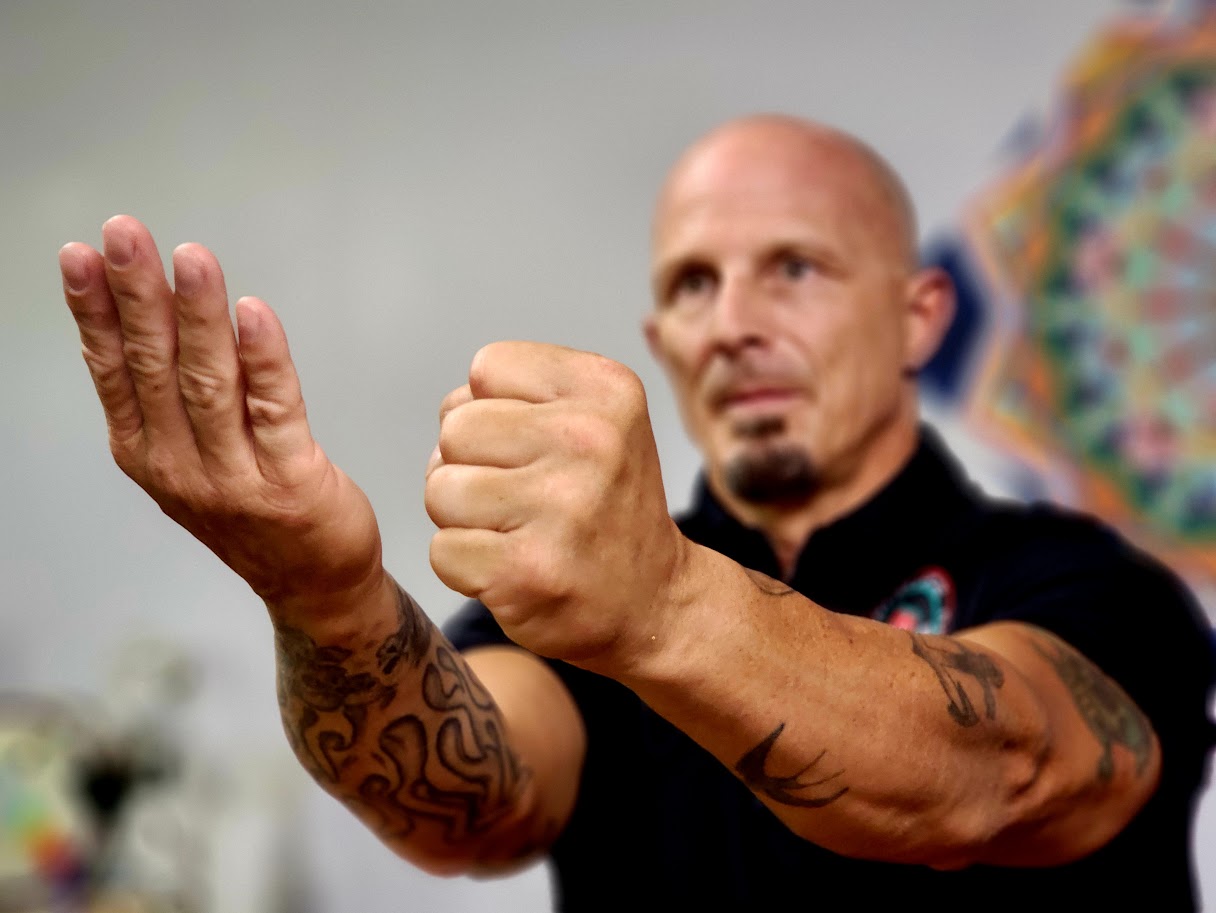
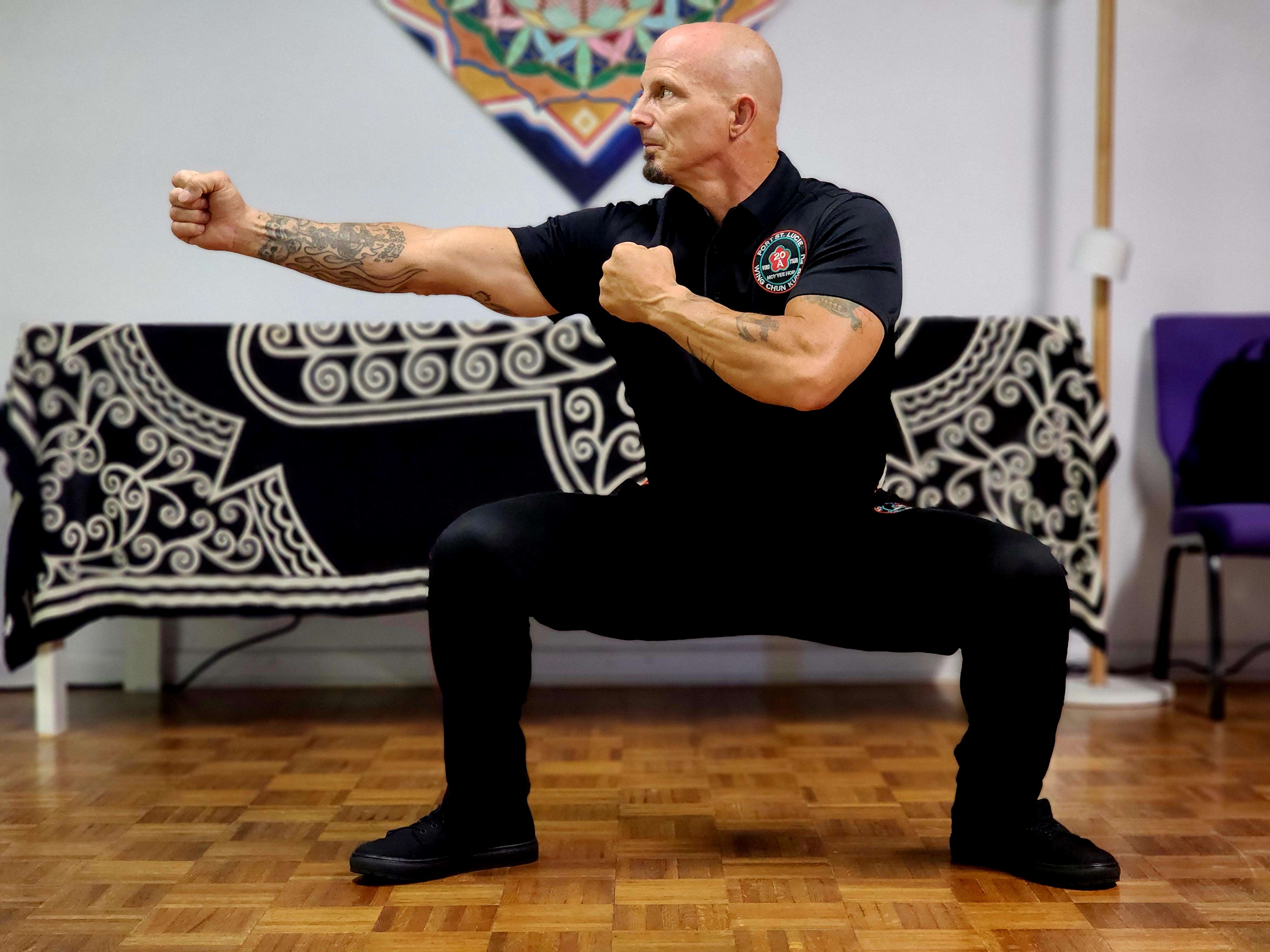
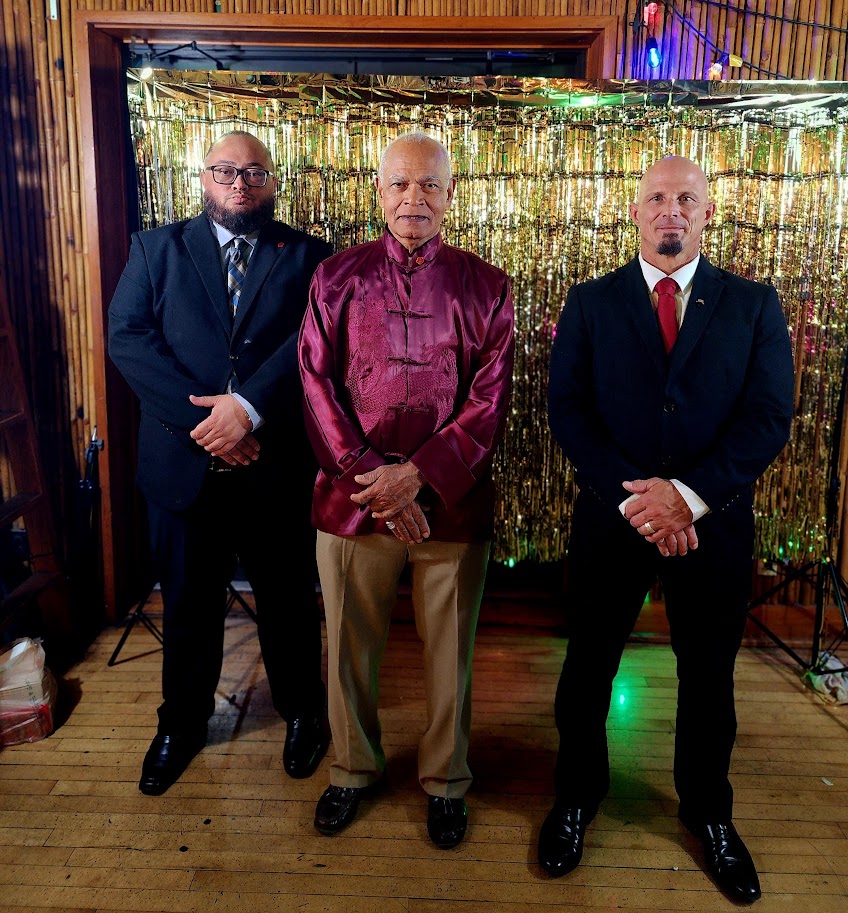
At Moy Yee Hop Ving Tsun Kung Fu, our instructors bring their real-world experience directly to the kwoon floor. Today, we sit down with Sifu Gerald Hazellief, direct disciple, veteran, and senior instructor at our Vero Beach and Port St. Lucie locations. He shares how his Special Operations military background shaped his Kung Fu journey, how Ving Tsun helped him heal from PTSD, and why this traditional martial art offers veterans the ideal balance of physical longevity and tactical efficiency.
"What I found in Ving Tsun was a system that is calm, relaxed, and controlled—yet still incredibly effective... True strength isn't uncontrolled aggression or brute physical force; it is the ability to remain calm, centered, and decisive under pressure."
On Background & Transition
How did your military background influence your approach to learning—and now teaching—Ving Tsun?
The art of Ving Tsun is not just a physical skill; it is discipline, mindset, and continuous improvement. My military experience in Special Operations reinforced these exact same values. It taught me how to train with purpose, communicate clearly, adapt to different learning styles, and lead by example. That foundation enables me to create a structured, supportive environment where students can grow both mentally and physically.
What was the biggest challenge you faced transitioning back to civilian life, and how did the kwoon help?
The biggest challenge for me was losing the structured environment and deep camaraderie I had while in service. I was also suffering from PTSD, which made me very anxious in everyday civilian settings. With minimal external structure, the kwoon became a place of healing for me. It allowed me to train my mind, body, and spirit. I found that the more I practiced my Kung Fu, the more relaxed I became, and the less anxiety seemed to affect me. It enabled me to form unique, unbreakable bonds with new brothers and sisters who became my Kung Fu family. I felt like I had found my place again and reclaimed the camaraderie I had been missing."
What made you choose Ving Tsun over other, more "aggressive" or sport-based martial arts?
I was always a big fan of Bruce Lee growing up, and I was especially drawn to the Kung Fu style he studied prior to developing Jeet Kune Do. I found Ving Tsun during a very difficult time in my life—I was dealing with stress, anxiety from PTSD, and the painful end of a failed marriage. I realized I needed a positive outlet and a true path toward balance. That journey led me to my Sifu and to Ving Tsun Kung Fu.
Having previously trained in more aggressive martial arts styles, I was searching for something deeper than just physical intensity. I wanted something that encouraged emotional maturity, self-control, and inner peace alongside combat effectiveness. What I found in Ving Tsun was a system that is calm, relaxed, and controlled—yet still incredibly effective and aggressive when necessary.
What I appreciate most is that the aggression in Ving Tsun is purposeful. It comes at the exact right moment to break an opponent's structure, create openings, and end conflict efficiently. It taught me that true strength isn't uncontrolled aggression or brute physical force; it is the ability to remain calm, centered, and decisive under pressure.
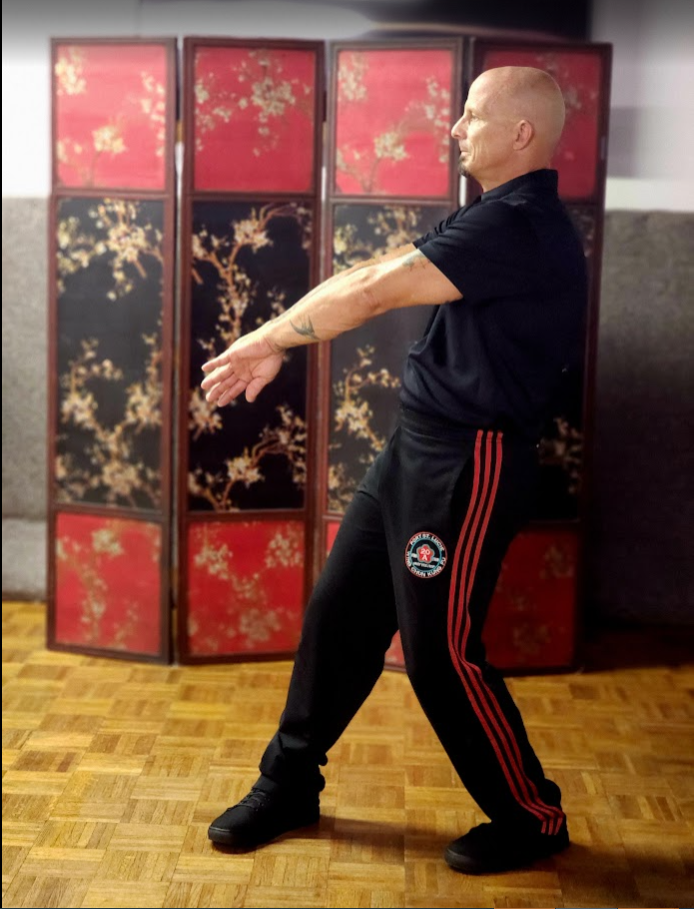
On Ving Tsun’s Benefits for Veterans
Ving Tsun emphasizes "staying on the center." How does that physical concept translate to mental focus for a veteran dealing with daily stress?
For a combat veteran dealing with daily stress, maintaining your center translates to staying calm, balanced, and aware—instead of letting external pressure dictate your movement or alter your course.
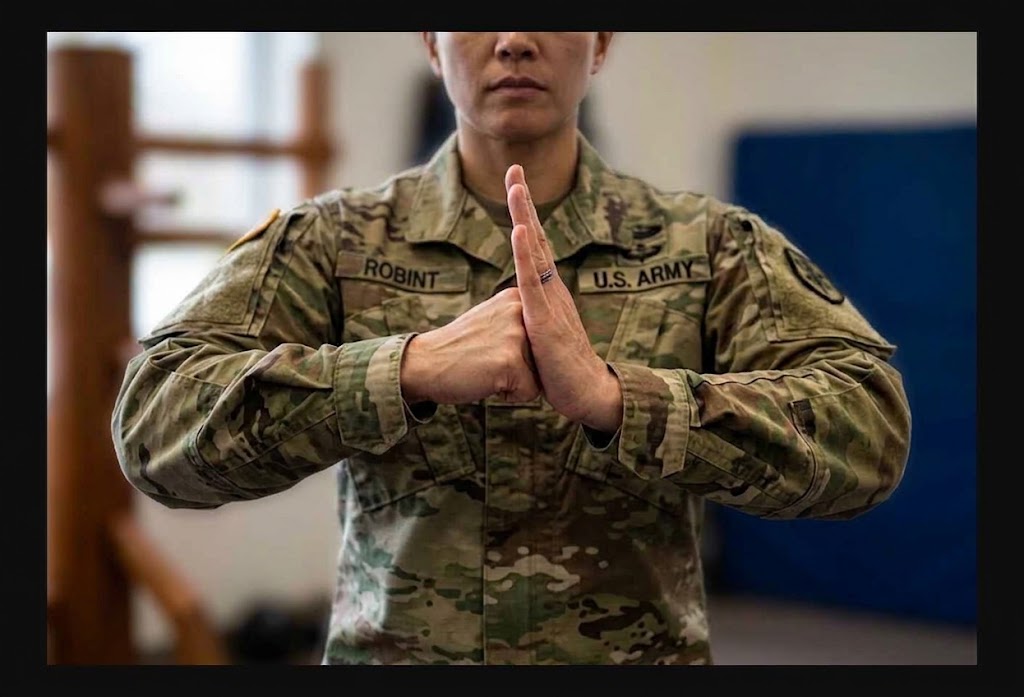
Ving Tsun teaches you to align your posture to guard your centerline, which mentally brings your attention right back to your breathing, core values, or a single grounded thought. This approach helps you respond with measured intention rather than simply reacting to every trigger. It keeps you focused on what is directly in front of you, holding your ground both inside and out, keeping a stable center no matter what stimuli comes toward you.
"For a combat veteran dealing with daily stress, maintaining your center translates to staying calm, balanced, and aware—instead of letting external pressure dictate your movement or alter your course."
Many veterans carry physical injuries from their service. How does Ving Tsun accommodate or help rehabilitate the body?
Ving Tsun aids in physical and mental rehabilitation by improving your overall well-being, physical fitness, flexibility, and adaptability. Ving Tsun's low-impact movements and heavy emphasis on skeletal alignment, balance, and coordination make it suitable for anyone—even those recovering from all types of physical injuries. Instead of forcing you to rely on joint strain or brute strength, it teaches you to rely on proper structure.
In Ving Tsun, we learn to relax under pressure, starting with the Siu Nim Tau form. How can this "active relaxation" help a veteran who is used to being in a high-alert state?
Siu Nim Tau—Ving Tsun’s first and most important form—builds proper structure, alignment, and rooting. But equal to that, it trains your mind to stay relaxed, efficient, and responsive under stress or pressure. Over time, this conditions your nervous system to respond calmly and deliberately instead of falling into rigid, hyper-reactive movements. That type of conditioning makes both daily life and martial performance far more effective and significantly less exhausting.
"Over time, [Siu Nim Tau] conditions your nervous system to respond calmly and deliberately instead of falling into rigid, hyper-reactive movements. That type of conditioning makes both daily life and martial performance far more effective and significantly less exhausting."
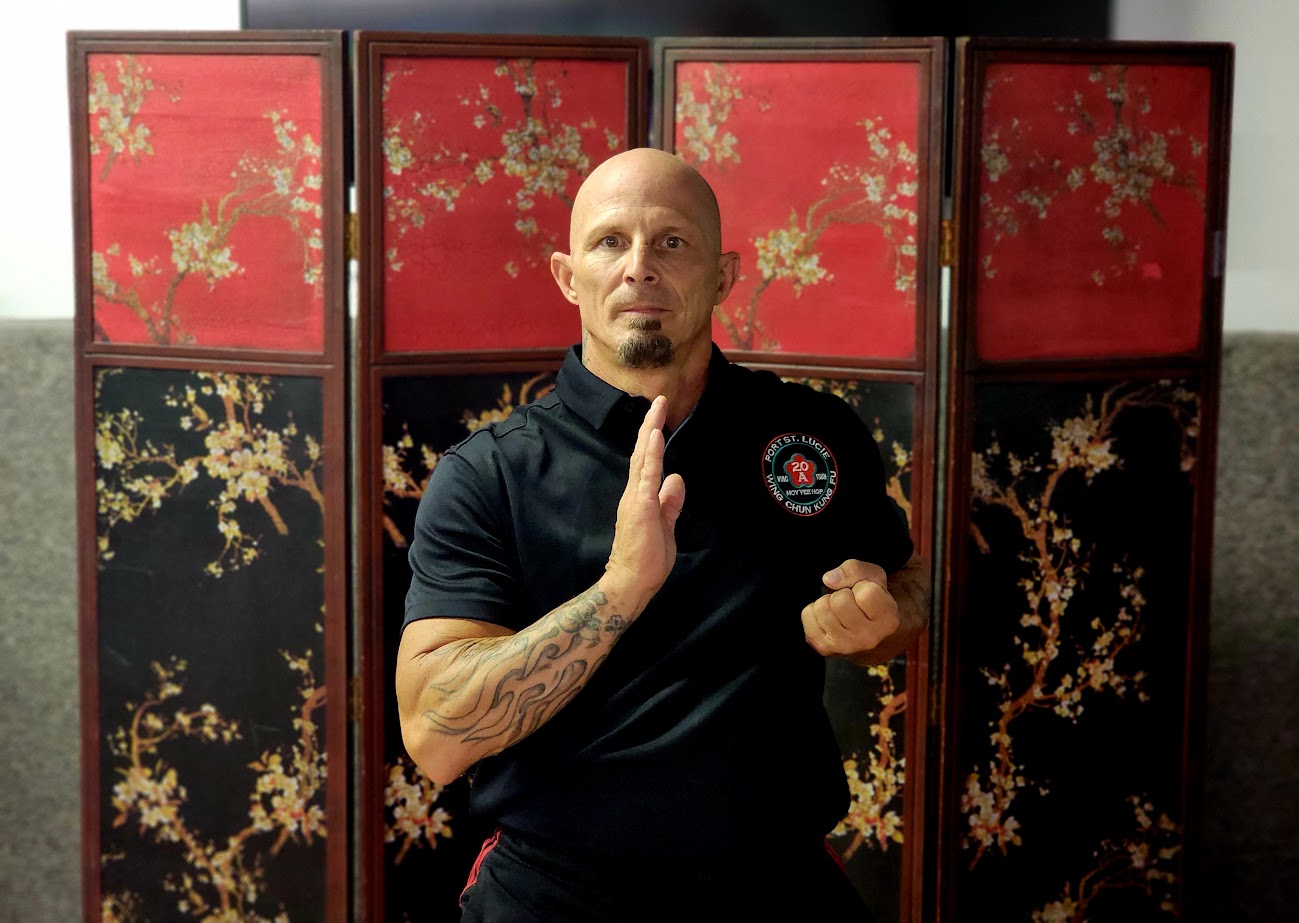
Key Takeaways for Our Veteran Community
Whether you train at our Vero Beach or Port St. Lucie kwoon, our mission is to offer a supportive space for veterans looking to channel their military mindset into a lifelong art.
- Structure Over Strength: You don't need to blow out your joints to be effective. Ving Tsun relies on skeletal structure, geometry, and relaxation rather than muscle.
- Tactical Efficiency: Just like military doctrine emphasizes direct routes to objectives, Ving Tsun utilizes the centerline theory—the straightest line between two points—to neutralize conflict fast.
- A New Unit: You don't have to navigate civilian transition alone. The kwoon provides a new "unit" built on mutual respect, shared sweat, and lifelong growth.
If you are a citizen, veteran, or active duty service member looking for focus, tactical martial arts training, or a strong community, visit us at Moy Yee Hop Ving Tsun Kung Fu to claim your complimentary introductory class. Sifu Gerald Hazellief teaches classes in Authentic, Classical, Original Ving Tsun Kung Fu in Vero Beach. Discover how traditional structure and centerline principles can transform your mental clarity and physical longevity. Take the first step today, meet the team, and experience the supportive atmosphere of our kwoon firsthand.
1 (772)932-8282
jerry@mtskungfu.com
.jpg)
.jpg)