By clicking “Accept All Cookies”, you agree to the storing of cookies on your device to enhance site navigation, analyze site usage, and assist in our marketing efforts. View our Privacy Policy for more information.
What a Martial Arts Veterans Program Offers
Learn what a martial arts veterans program should offer, from structure and self-defense to community, discipline, and long-term personal growth.
By
July 15, 2026
Related

Some veterans do not need another casual fitness class. They need structure they can respect, instruction that means something, and a training environment where discipline is understood without being explained. A strong martial arts veterans program meets that standard by offering more than exercise. It provides a serious path for rebuilding consistency, confidence, and connection through practice.
That matters because many programs aimed at veterans are well-intentioned but loosely built. They may offer activity without direction, intensity without method, or community without standards. Martial arts, when taught correctly, can fill those gaps. But the quality of the school and the system makes all the difference.
Why a martial arts veterans program works
Veterans often respond well to training that has order, accountability, and measurable progress. Traditional martial arts can provide all three. There is a curriculum to follow, clear expectations in class, and a sense that effort leads to visible improvement over time.
That structure is not just comforting. It is useful. When a student knows what is being trained and why, the practice becomes more than physical repetition. It becomes a way to sharpen attention, regulate stress, and rebuild habits that support daily life.
A martial arts veterans program also creates a setting where mutual respect is normal. In a serious school, students train together with purpose. Rank, experience, and background matter, but so do humility and discipline. For veterans who miss being part of a team built on standards rather than talk, that culture can be a major reason they stay.
The right system matters
Not every martial art serves the same purpose, and not every veteran wants the same experience. Some are looking for pressure relief and mobility. Others want practical self-defense. Many want both. That is why the system behind the program deserves careful attention.
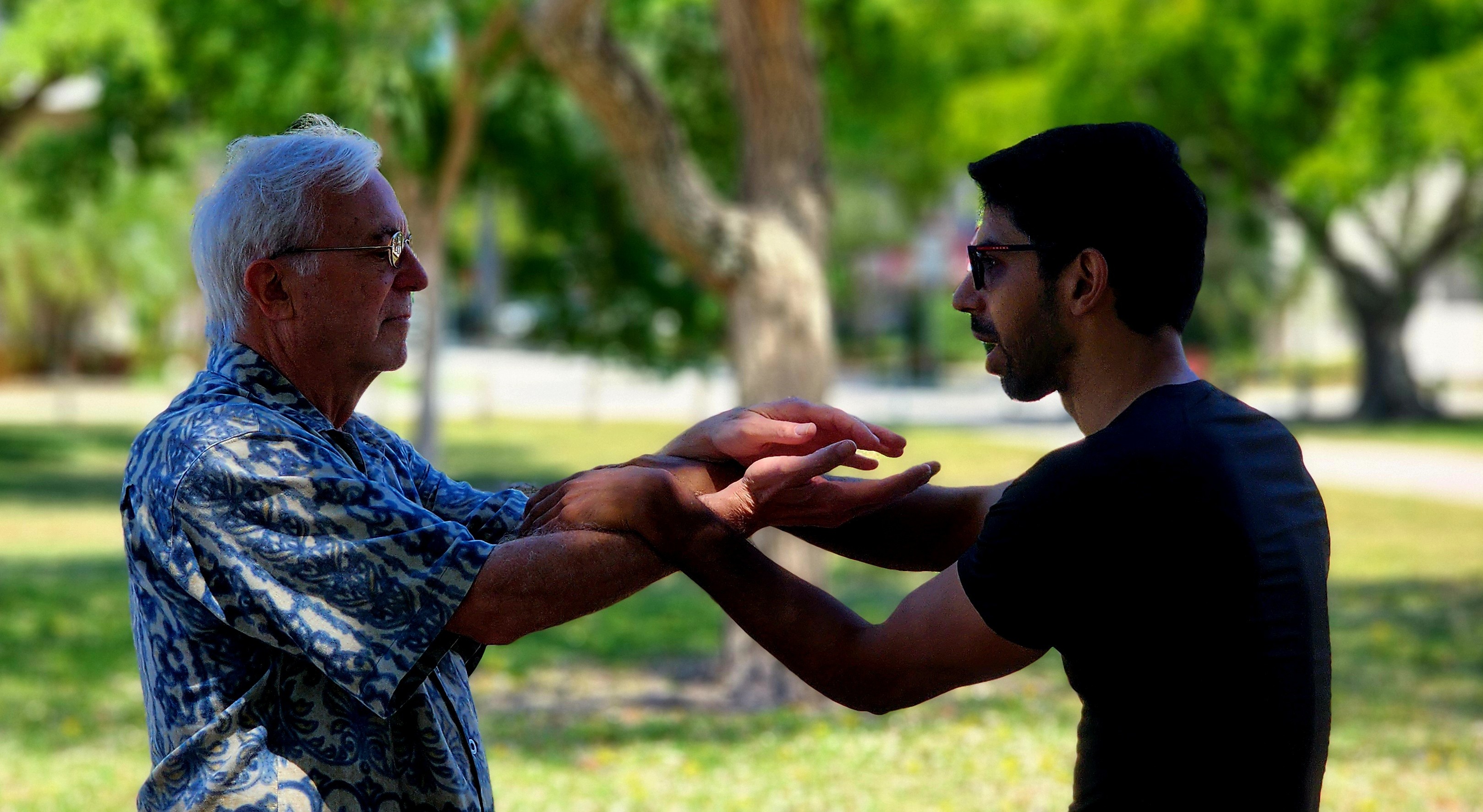
Ving Tsun Kung Fu is especially valuable for adults who want efficient, intelligent training. It is not based on flashy movement or athletic tricks. It is built on structure, timing, centerline control, and simultaneous attack and defense. Those principles make it practical for real self-defense, but they also reward patience, precision, and calm decision-making.
For veterans, that can be a strong fit. Training does not depend on being the fastest person in the room or the youngest. It depends on learning to use position, body mechanics, and disciplined technique correctly. That makes the art accessible to many adults, including those returning to training after years away from organized physical practice.
There is a trade-off, though. Authentic training asks for consistency. Students who want instant gratification or entertainment usually do not stay long in a lineage-based school. A serious program is for people willing to train with intent and trust the process.
What to look for in a martial arts veterans program
The best programs are not built around slogans. They are built around instruction, culture, and continuity.
First, look at the teaching. Is the material organized, or does every class feel random? Veterans often benefit from a curriculum that progresses in a logical way. Foundational stance, structure, footwork, basic striking, partner drills, and controlled sensitivity work should build on one another. A student should be able to understand where they are in the process and what comes next.
Second, consider the school culture. A good veterans program should feel welcoming without being soft on standards. Respect should be present in the way instructors teach, the way students train, and the way corrections are given. Serious martial arts do not require ego. In fact, ego is usually what gets in the way of progress.
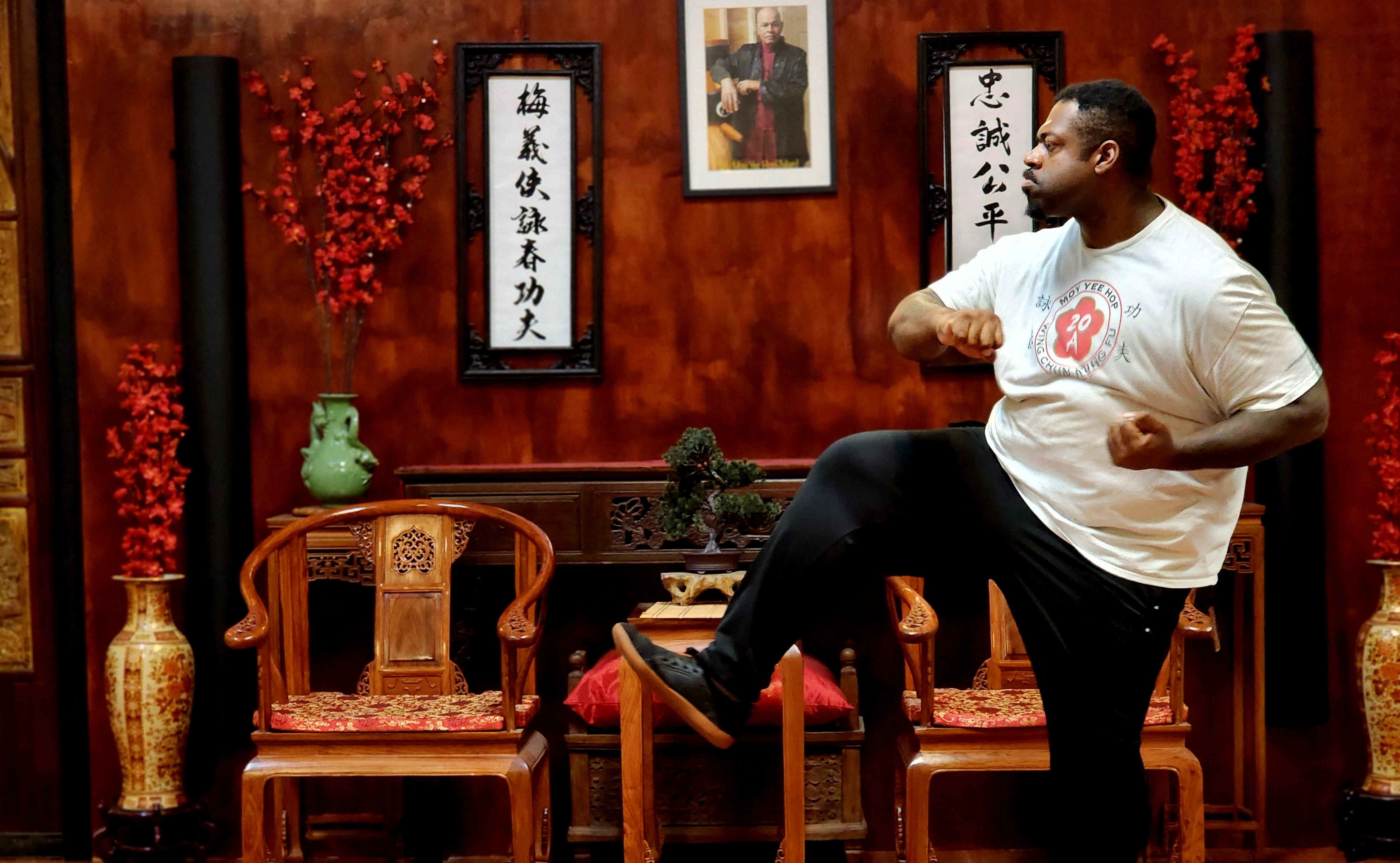
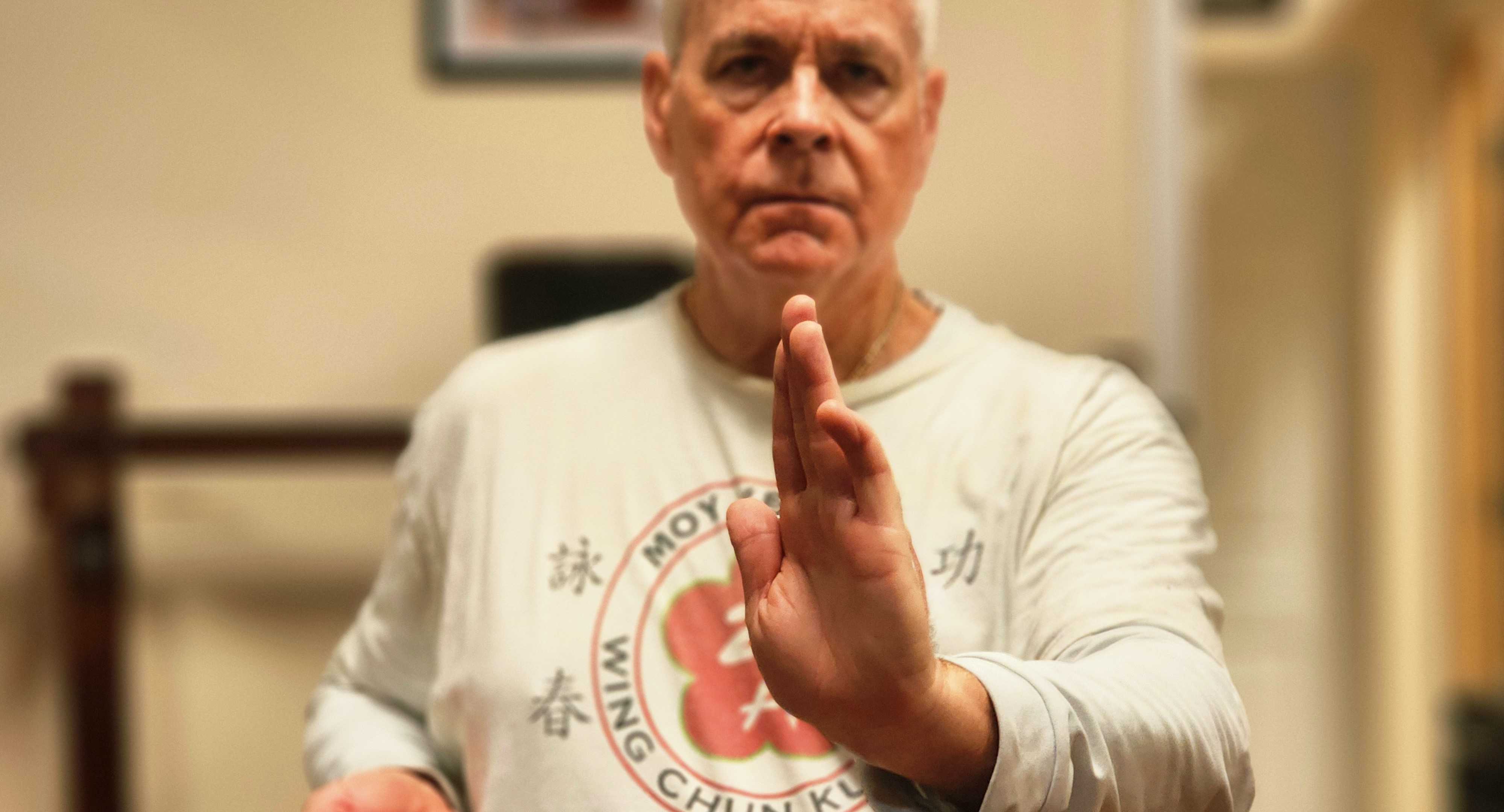
Third, pay attention to authenticity. A school grounded in real lineage tends to teach with greater clarity and consistency because the system has been preserved rather than improvised. That does not mean the school is stuck in the past. It means the art has a tested foundation. At Moy Yee Hop Ving Tsun Kung Fu, that preservation of the Moy Yat system is central because students deserve instruction that is true to the art, not diluted for convenience.
Finally, look for a program that understands long-term development. Veterans do not need to be treated as a temporary audience. They need a place where they can train for months and years, continue learning, and remain part of a real community.
Benefits that go beyond the workout
A quality martial arts veterans program can improve fitness, but the deeper benefits usually keep students committed.
One is mental steadiness. Repetition, partner training, and technical focus demand presence. When class is taught well, students are not scrolling mentally through the rest of the week. They are working on angle, pressure, timing, and control. That kind of attention can be restorative because it pulls the mind back into the task at hand.
Another is confidence that feels earned. There is a difference between feeling hyped up and feeling prepared. Authentic self-defense training gives students practical understanding of distance, balance, reaction, and efficiency. That confidence tends to carry into work, family life, and everyday interactions.
Then there is the value of connection. Veterans often say they miss the standard of shared effort more than the hardship itself. In martial arts, training partners become part of the process. You help each other improve. You learn to trust pressure, correction, and repetition. That shared discipline creates real community, not forced socializing.
Physical benefits matter too. Ving Tsun training can improve posture, coordination, balance, hand-eye awareness, and body control. Because the art emphasizes economy of motion, it can be a smart option for adults who want practical skill without unnecessary wear and tear. Of course, every student brings a different history of injuries and limitations, so the right school should be able to scale training responsibly.
Why instruction style matters for veterans
Some veterans want to be pushed hard right away. Others need a training environment that gives them room to rebuild without feeling singled out. The best instructors know how to handle both.
That starts with clarity. Good teachers do not bury students in theory before they can move. They explain principles in a way that connects directly to application. They correct details because details matter, but they do it with purpose. Veterans usually recognize quickly whether an instructor has real command of the room.
It also requires emotional intelligence. Martial arts training can challenge people in different ways. Partner drills, close-range work, and high expectations are valuable, but they should be introduced with awareness and professionalism. A disciplined school is not chaotic. It is controlled.
That balance between firmness and understanding is one of the strongest signs of a good program. Students should feel that standards are real and that progress is possible.
Is a veterans program better than a regular adult class?
It depends on the student and the school.
A dedicated veterans program can offer immediate camaraderie and a stronger sense of shared background. That can make it easier for new students to begin. It may also allow instructors to shape the pacing and class dynamic around the needs of veterans more directly.
At the same time, some veterans thrive in a broader adult program where they train alongside professionals, parents, and other committed students from the local community. That setting can be just as valuable because it reinforces integration, consistency, and growth in a wider environment.
The key is not whether the class label sounds right. The key is whether the training is authentic, structured, and respectful. A school that understands both martial development and community can serve veterans well in either format.
What veterans in Southeast Florida should expect
In areas like Jupiter, Port St. Lucie, Palm City, Vero Beach, and Fort Lauderdale, students have options. That makes discernment even more important. A polished website or energetic sales message does not tell you whether the instruction is legitimate.
Veterans should expect to see a school with a clear teaching method, instructors who can explain the purpose behind drills, and a training floor where respect is visible. They should expect practical self-defense training rooted in principle rather than theatrics. They should also expect a community that welcomes commitment, not just attendance.
A complimentary visit is useful because martial arts are experienced, not guessed. You can feel quickly whether the room has discipline, whether the instruction is organized, and whether the school treats the art as something worth preserving.
For many veterans, the right program is not the one that promises the most. It is the one that offers real training, steady progress, and a place to stand with purpose again. That is what makes martial arts worthwhile over the long term.
.jpg)
.jpg)