By clicking “Accept All Cookies”, you agree to the storing of cookies on your device to enhance site navigation, analyze site usage, and assist in our marketing efforts. View our Privacy Policy for more information.
How kids self defense classes build real confidence
Kids self defense classes help children build confidence, focus, and practical safety skills through disciplined training that lasts beyond class.
By
August 12, 2026
Related

A child who avoids eye contact, freezes under pressure, or crumbles after one hard day at school does not need empty praise. They need a process. That is why many parents start looking at kids self defense classes - not because they want aggression, but because they want their child to become calm, capable, and harder to shake.
The right training does more than teach a few moves. It gives children structure, body awareness, discipline, and a better sense of what to do when something feels wrong. For families who want more than a high-energy activity, that difference matters.
What good kids self defense classes really teach
A serious program is not built around fear. It is built around composure. Children learn how to stand, how to move, how to stay aware of space, and how to respond with control rather than panic. Those skills carry into school, sports, and daily life.
This is one reason martial training has lasting value for children. A child who learns to protect their center, maintain balance, and respond with intention is also learning how to manage stress. They begin to understand that confidence is not loud. It is steady.
In authentic Kung Fu training, self-defense is not separated from character. Technique matters, but so do respect, patience, listening, and consistency. A child who learns these lessons early often becomes more coachable at home and more composed in social settings.
Why parents look for self-defense in the first place
Most parents are not preparing their children for dramatic situations. They are responding to ordinary concerns that build over time. Maybe their child is shy and physically hesitant. Maybe they have trouble setting boundaries. Maybe they are being tested by peers and do not know how to respond without either shrinking or lashing out.
That is where training can help. Kids self defense classes give children a repeatable framework. They learn posture, distance, timing, and verbal confidence. Just as important, they learn when not to engage. Real self-defense includes avoidance, awareness, and judgment.
There is a trade-off here that parents should understand. Some programs focus almost entirely on games, movement, and entertainment. That can be fun, and younger children do need age-appropriate instruction. But if a program never moves beyond activity into discipline and practical understanding, the benefits may stay shallow. Children improve most when training is welcoming but also structured.
Confidence grows from competence, not slogans
Children know when adults are trying to talk them into confidence. They also know when they have earned it. That is why skill-based training is so effective.
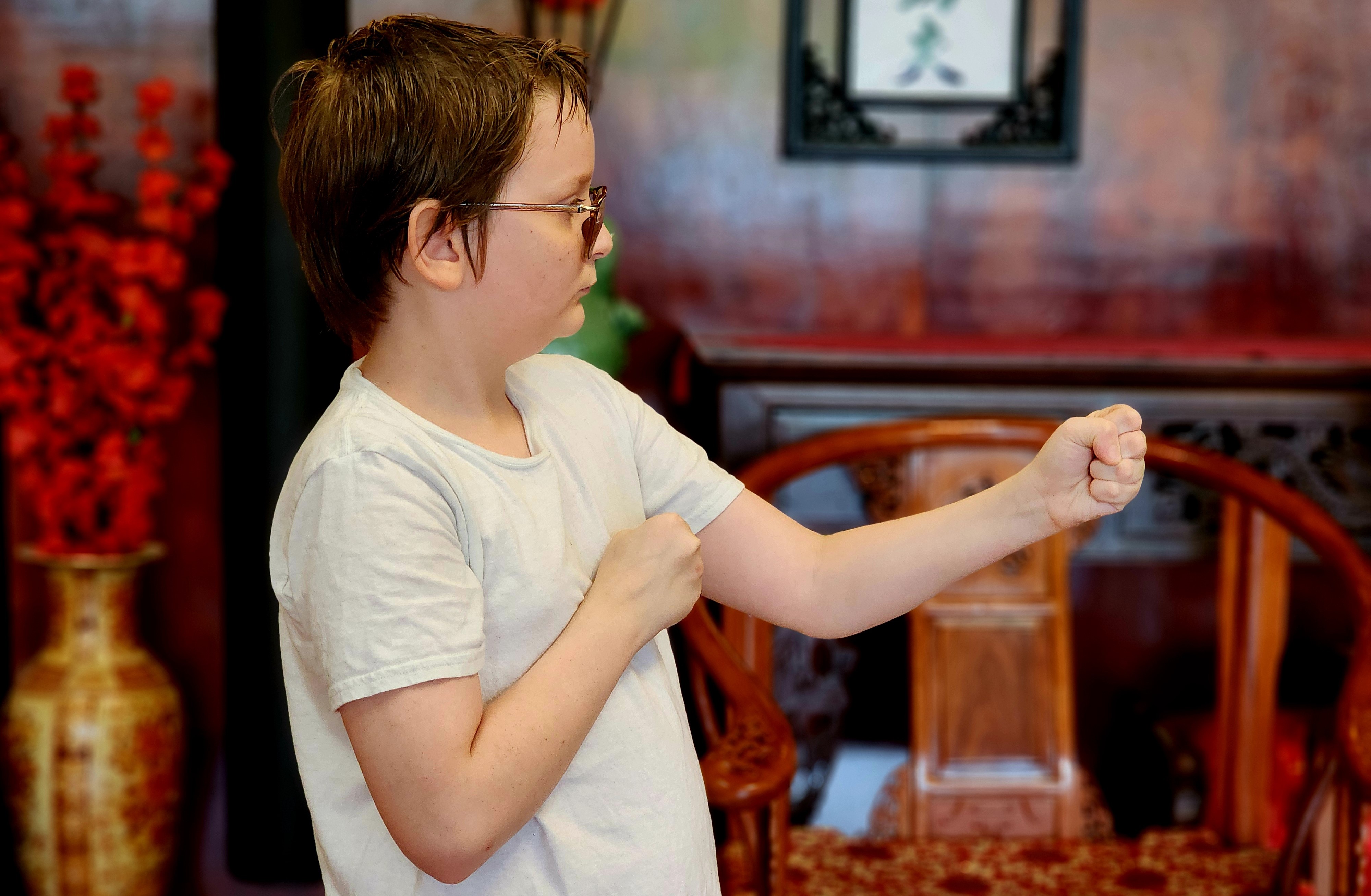
When a child learns how to hold a stance, maintain balance under pressure, or execute a movement correctly after weeks of practice, they feel real progress. Their confidence stops being an idea and starts becoming experience. They have done something difficult, and they know it.
This is especially important for children who are naturally cautious or easily discouraged. A well-run class does not shame them for being hesitant. It gives them clear standards, patient correction, and a path forward. Over time, small wins become a stronger mindset.
That kind of growth rarely happens overnight. Parents should be cautious of any school that promises instant transformation. Good instruction works because it is consistent. Children return to class, refine what they learned, and slowly become more capable in both body and mind.
The role of discipline in children’s training
Discipline is sometimes misunderstood as harshness. In a strong martial arts environment, it means something better. It means showing up on time, paying attention, following instruction, and giving honest effort. These habits shape children well beyond the training floor.
A child who learns discipline through martial arts often begins to carry themselves differently at school and at home. They listen more carefully. They recover faster from frustration. They become more comfortable with correction because they no longer see it as failure. They see it as part of learning.
That shift matters. Children who can accept instruction without shutting down often improve in many parts of life. Martial training helps because the feedback is immediate and physical. Balance is either there or it is not. Structure either holds or it breaks. The lesson is clear, and children learn to respect that clarity.
Why style and teaching method matter
Not all martial arts programs teach self-defense in the same way. Some are sport-centered. Some are fitness-driven. Some lean heavily on choreography or rank progression. None of those approaches are automatically wrong, but parents should know what they are choosing.
If your goal is practical self-defense, the teaching method should reflect that. Children should learn awareness, positioning, coordination, and efficient response. They should not be overwhelmed with complexity. At the same time, the material should be grounded in a real system, not random drills stitched together for effect.
This is where lineage and authenticity matter more than many people realize. A school rooted in a preserved system usually has a clear training progression. Techniques connect to principles. Instruction is not improvised week to week. That gives children something solid to build on.
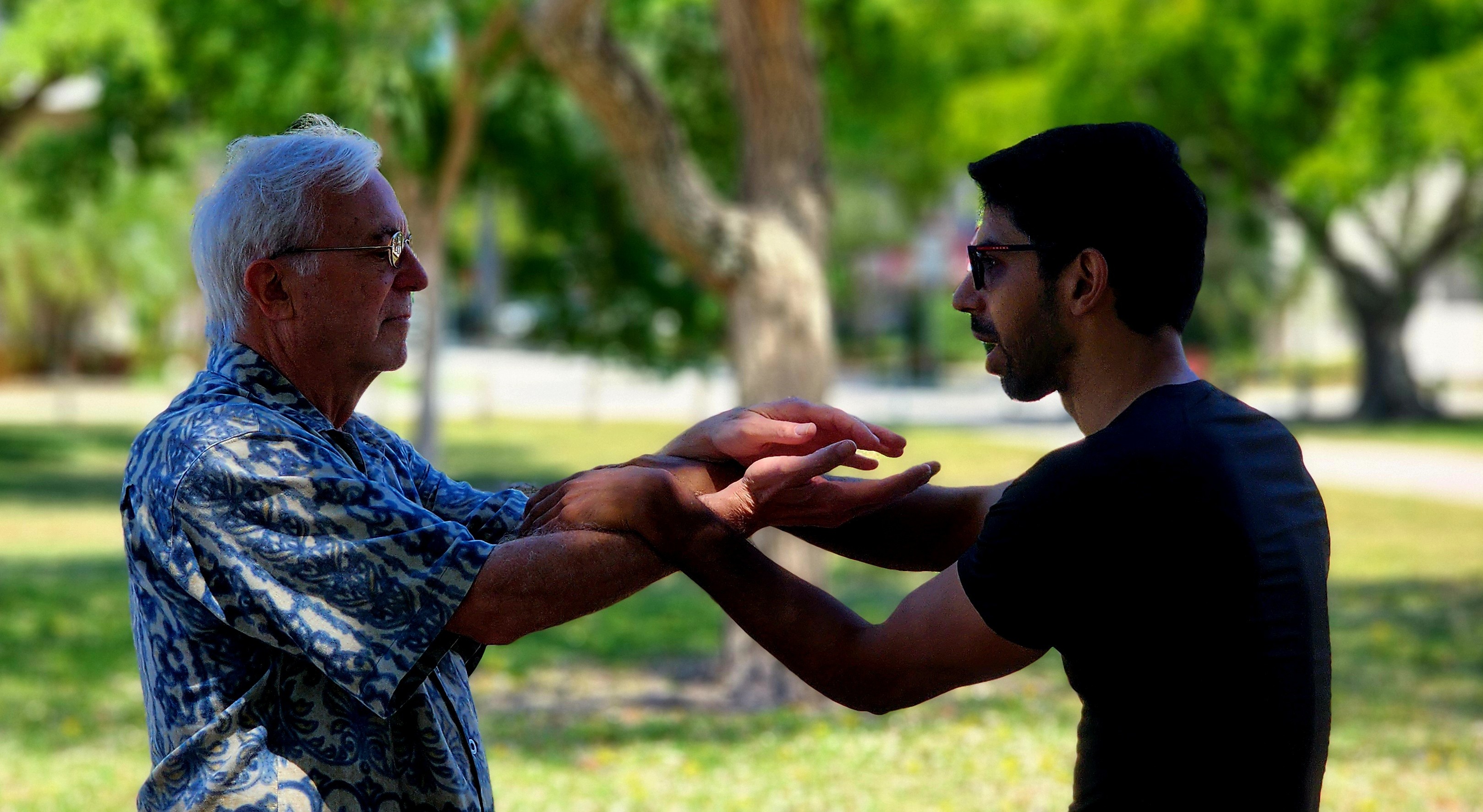
Within the Ving Tsun tradition, efficiency is central. Children can begin learning important ideas such as centerline awareness, balance, timing, and simultaneous defense and attack in age-appropriate ways. These principles are practical because they do not rely on brute strength. They rely on structure, sensitivity, and good mechanics.
What to look for in kids self defense classes
Parents often focus first on schedule or location, which is understandable. But the quality of instruction should come first. Watch how the instructor manages the room. Are the children engaged without chaos? Are corrections precise and respectful? Is the atmosphere disciplined without being cold?
Look at how the school defines self-defense. If everything revolves around flashy movement or constant competition, the program may not match your goals. A good children’s class should teach control, awareness, and responsible use of skill. Children should leave class more grounded, not more reckless.
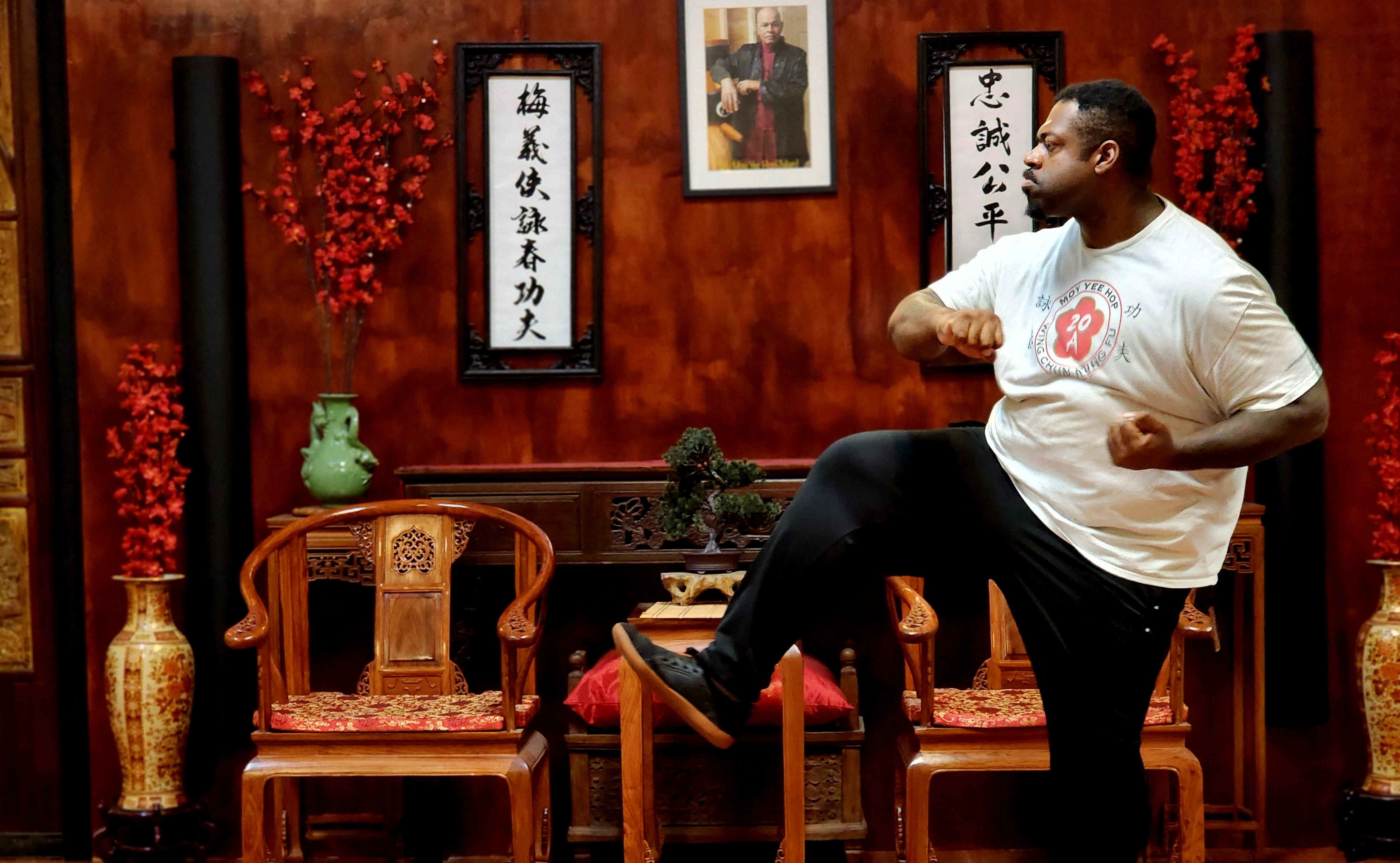
It also helps to notice whether the school has a family culture. Serious training and warmth can exist together. In fact, they should. Children do best when they feel they are part of something meaningful. At Moy Yee Hop Ving Tsun Kung Fu, that balance between discipline, authentic transmission, and community is part of what gives training its staying power.
Age, maturity, and realistic expectations
Parents sometimes ask what age is best to begin. The honest answer is that it depends on the child. Some younger children are ready to follow instruction and train with focus. Others need more time to develop attention and emotional control.
Maturity matters as much as age. A child does not need to be perfect to start, but they do need to be able to participate safely in a structured setting. The best schools understand this and adjust expectations without lowering standards.
It is also worth remembering that progress will not look the same for every child. One may improve quickly in coordination but struggle with confidence. Another may become mentally stronger before their movement catches up. Parents should look for steady development, not instant polish.
The long-term value goes beyond self-defense
The strongest reason to invest in training may have little to do with fighting. Children who train seriously often develop habits that serve them for years. They learn to stay calm under pressure, to respect instruction, to work through difficulty, and to trust disciplined effort.
Those lessons matter in classrooms, friendships, sports, and eventually adult life. A child who learns how to hold their ground with composure is learning more than a physical skill. They are learning how to move through the world with greater stability.
That is why the best martial arts training never feels like a temporary fix. It becomes part of how a child grows. They stand straighter. They speak more clearly. They become less fragile in the face of challenge.
For parents in Southeast Florida who want more than an after-school activity, the right class can offer something rare: a traditional path that develops the whole child. When children are taught with authenticity, structure, and care, self-defense becomes more than protection. It becomes a foundation they can carry for life.
.jpg)
.jpg)